All Categories
Featured

Evaluating HMO or PPO Health Insurance Plans
Table of Contents
If you're exploring your Medicare options, you're most likely familiar with the reality that the different parts of Medicare use various kinds of coverage. While Medicare Part A (health center insurance) and Medicare Part B (medical insurance coverage) work together to use protection for many health care expenses, Medicare Part D was created particularly to assist cover prescription drug costs.
Being a wise healthcare consumer is crucial to managing your health care expenses successfully, and understanding your Medicare plans and options is an extremely crucial first step. Medicare is a federally funded medical insurance program for Americans 65 years or older and others who meet certain eligibility requirements. There are a handful of Medicare strategies, each providing different types of coverage.
Medicare Part D is a prescription drug coverage program that Medicare-approved private insurance provider offer. This part of Medicare helps enrollees pay for generic and brand-name prescription drugs. 1 Typically, you receive a Medicare Part D strategy if you have Original Medicare (Medicare Part A + Part B) or if you have Medicare Part C (Medicare Benefit Strategy) that includes drug coverage.
Insurance in San Clemente CAFinding Final Expense Insurance Coverage
But, there might be distinctions in exactly what medications are covered (referred to as the plan formulary), network drug stores, and cost-sharing rules. In other words, your out-of-pocket expenses, where you can use your plan to get coverage, and how much money you might owe will differ based upon your particular strategy.
Medicare Part D provides protection for a wide variety of prescription drugs. 2 While each strategy varies, covered drugs usually consist of the following: Medications to deal with persistent medical problems, such as high cholesterol, hypertension or diabetes Certain vaccines, consisting of the Tdap, flu and shingles shot Some specialty medicines may be covered after getting previous permission It is essential to note that each strategy will have its way of covering drugs, referred to as the plan formulary.
Lower tiers typically cover generic medications at lower copays, whereas higher tiers generally consist of brand-name medications or specialty drugs and have greater copays. Before 2025, the Medicare "donut hole" helped secure beneficiaries from inflated out-of-pocket drug expenses. As of Jan. 1, 2025, due to the Inflation Reduction Act, prescription drug protection cost-sharing is streamlined.
Insurance in San Clemente CASome Medicare Part D strategies have a lower deductible however greater premiums, so make sure to review your choices carefully. After you've hit the deductible, you will go into the preliminary protection period. Preliminary coverage duration: Once you strike this phase, you will pay 25% of your prescription drug expenses (normally as your copay or premium), up to $2,000 in 2025.
When you have actually hit this limitation, you'll go into the devastating protection period. Catastrophic protection: After you have actually struck the $2,000 OOPM, you are not responsible for any other covered prescription drug expenses for the remainder of the plan year. Ask your care team about your medications and cross-reference them with Medicare Part D formularies to better understand what your out-of-pocket healthcare costs may be if you have prescriptions.
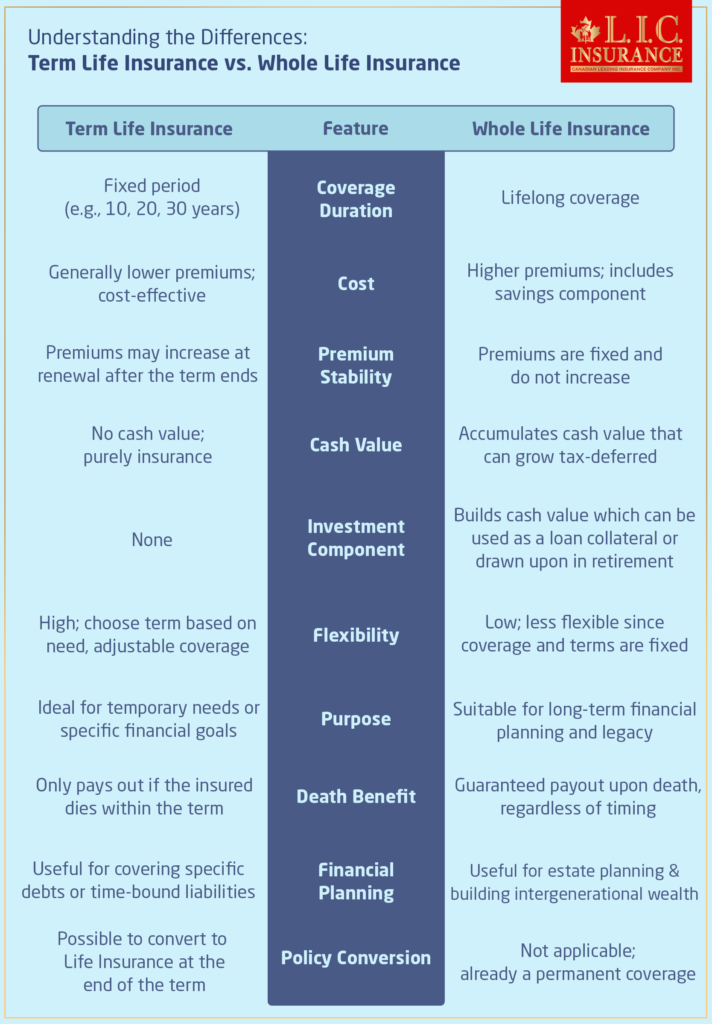
Direct Advice for Life Insurance Selection
Medicare certification guidelines are as follows:2 You must be at least 65; or, You should have a certifying disability or certain health issue like Amyotrophic Lateral Sclerosis (ALS) or end-stage kidney disease (ESRD) to qualify before you turn 65 years old. As soon as you have actually determined that you get approved for Medicare and you're signed up for either the Original Medicare or Medicare Benefit strategy, you can comprehend your ability to sign up for a Medicare Part D plan.
Those who are registered in a Medicare Advantage Plan that has drug coverage (understood as an MA-PD) are currently covered under Part D. Typically, you'll sign up for Medicare Part D when you register for Medicare. There are a few various timeframes you should be conscious of if you're considering signing up for a Medicare Part D strategy:3 The Medicare IEP is the seven-month duration that starts 3 months before you turn 65, your birthday month, and the three months after that.
You can register in Medicare annually between Oct. 15 and Dec. 7 for coverage for the following year. During the yearly open duration, you can join a Medicare Part D strategy, switch plans, or drop your present coverage. Changes you make will work Jan. 1 of the following year.

Latest Posts

Strategic Consumer Tips for Selecting 2026 Medicare Coverage

Choosing the Top 2026 Medicare Advantage Coverage
Life Insurance Strategies for Veteran Families